

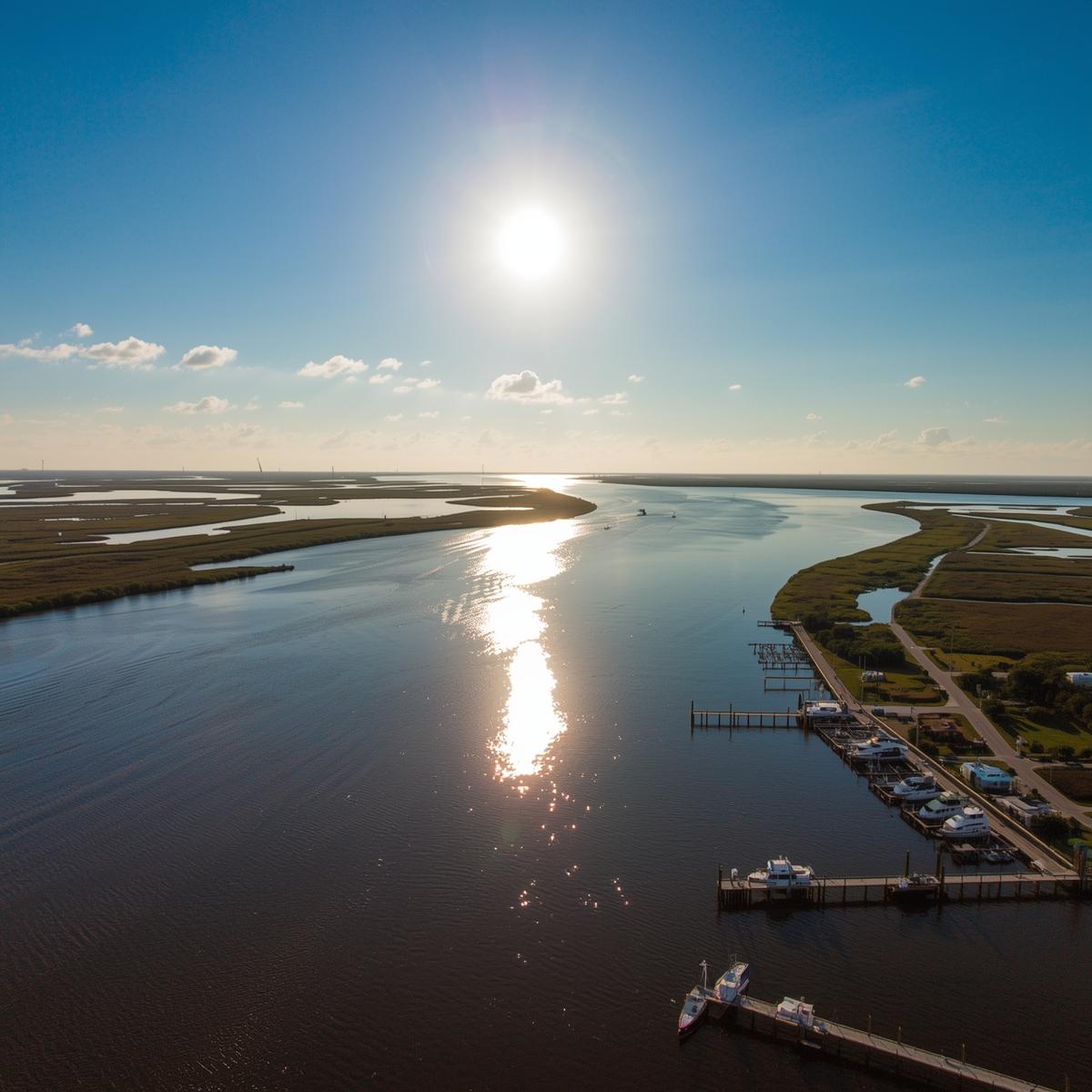
What You Need to Know Before You Buy
Waterfront and wetland-adjacent properties in Northeast Florida attract significant interest for good reason. Marsh views, Intracoastal access, tidal creeks, and preserved wetlands offer privacy, scenery, and long-term environmental protection that many buyers actively seek.
At the same time, these properties come with considerations that differ from traditional residential real estate. Understanding how waterfront and wetland designations affect use, value, insurance, and resale is essential before making a purchase decision in markets like Jacksonville Beach, Ponte Vedra, Palm Valley, and along the Intracoastal corridor.
This guide outlines what matters most so buyers can make informed decisions and homeowners can better understand how these properties are evaluated in the market.
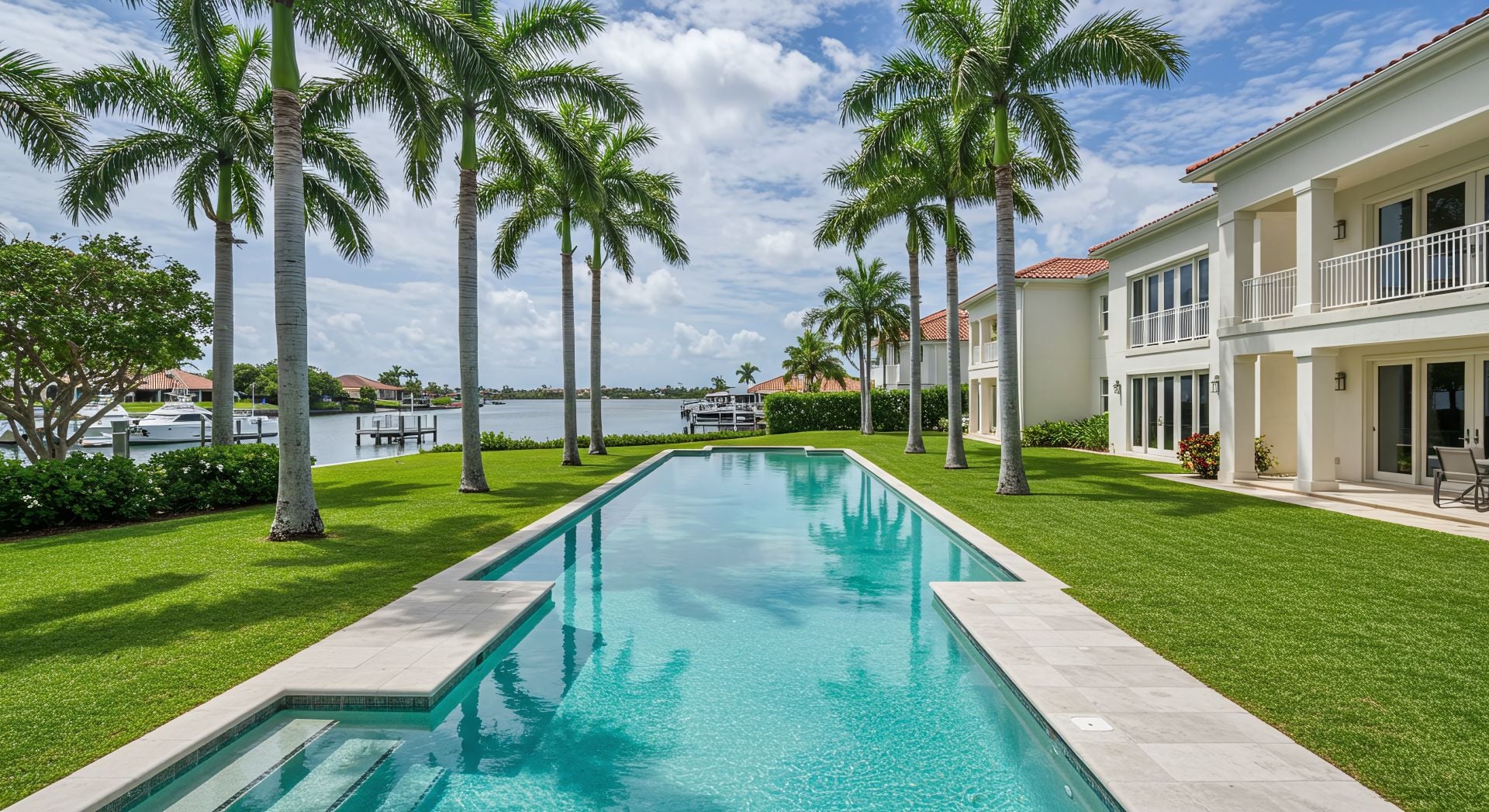
Not All “Waterfront” Property Is the Same
One of the most common misconceptions in Northeast Florida real estate is that all waterfront property carries the same value and utility. In practice, buyers, lenders, and insurers distinguish carefully between different types of water adjacency.
Common classifications include:
Navigable Intracoastal or river frontage
Tidal creek access
Marsh or wetland views without direct access
Lake or retention pond frontage
Protected conservation or preserve adjacency
Each classification influences what can be built, modified, or accessed from the property. Buyers who understand these distinctions tend to make more confident decisions and experience fewer surprises during due diligence.
Understanding Wetlands in Northeast Florida
Wetlands play a critical role in Florida’s environmental system. They manage water flow, reduce flood risk, and preserve wildlife habitats. Because of their importance, wetlands are protected by local, state, and federal regulations.
For buyers, this means:
Restrictions on clearing or altering vegetation
Limits on additions, docks, seawalls, or drainage changes
Required permits for any work near protected areas
These protections are not designed to reduce property value. In many cases, they preserve long-term views, privacy, and environmental stability. However, they do require buyers to understand what is and is not permissible on the property.
How Wetlands and Waterfront Impact Property Value
Wetland-adjacent and waterfront homes are valued based on more than proximity to water. Buyers and appraisers consider how the property can be used, maintained, and insured over time.
Factors that influence value include:
Degree of water access
Ability to build or modify structures
Flood zone classification
Long-term preservation of surrounding land
Buyer demand for privacy and natural views
Homes with well-documented boundaries, clear disclosures, and realistic expectations tend to perform better in the market than those marketed with vague or overstated claims.
Flood Zones, Insurance, and Due Diligence
Water-adjacent properties receive additional scrutiny during the buying process, particularly around flood risk and insurance.
Buyers should expect to review:
FEMA flood zone maps
Insurance quotes early in the process
Elevation certificates when applicable
Drainage and water management features
These steps are standard, not red flags. Addressing them early helps buyers budget accurately and prevents last-minute complications before closing.
Environmental Protections and Long-Term Stability
One of the advantages of protected wetlands is long-term consistency. Unlike undeveloped land that may change over time, preserved areas often remain unchanged, protecting views and limiting future density.
Many buyers value this stability, particularly those seeking:
Privacy without isolation
Natural surroundings without ongoing development
Lower long-term environmental risk
Understanding how conservation areas function allows buyers to see wetlands as a feature rather than an obstacle.
Why Clear Information Matters in Waterfront Transactions
Waterfront and wetland-adjacent homes attract thoughtful buyers who ask detailed questions. Transactions tend to move more smoothly when expectations are set accurately from the beginning.
Clear information helps:
Buyers evaluate suitability earlier
Sellers attract qualified interest
Lenders and insurers assess risk efficiently
All parties avoid unnecessary delays
Properties that are positioned with clarity rather than exaggeration tend to experience stronger buyer confidence and cleaner transactions.
Northeast Florida Waterfront Markets to Know
Areas commonly associated with waterfront and wetland properties include:
Jacksonville Beach and Neptune Beach Intracoastal corridors
Ponte Vedra and Palm Valley marsh-front communities
Riverfront and tidal creek neighborhoods throughout Duval and St. Johns counties
Each area has its own regulatory nuances, flood considerations, and buyer expectations. Local knowledge matters when evaluating these properties.
A Practical Perspective Before You Buy
Buying waterfront or wetland-adjacent property is not about avoiding risk entirely. It is about understanding it.
When buyers take the time to learn how these properties function, they are better positioned to:
Choose the right property type
Budget accurately for ownership
Protect long-term value
Enjoy the lifestyle benefits without unexpected constraints
That same understanding also benefits homeowners considering selling, as informed positioning leads to better outcomes.
Waterfront and wetland properties in Northeast Florida are nuanced assets. They reward preparation, clarity, and realistic expectations.
Whether buying or evaluating a future sale, understanding how water, wetlands, and regulation intersect is the foundation of a successful transaction.
Check out this article next